

Cannes We Do It?
How France is co-producing some of India’s cinematic gems
By Amruta Prabhu
Indian independent cinema is going through its own nouvelle vague. Interestingly, successful recent arthouse features such as ‘Santosh’ by British Indian director Sandhya Suri; ‘Girls Will Be Girls’ by US-based Indian filmmaker Shuchi Talati; and the 2024 Cannes Grand Prix-winner ‘All We Imagine As Light’ by Indian director Payal Kapadia all share a French connection. Curious to see what led to this recent wave of Franco-Indian coproductions, I spoke with directors, producers and distributors from both India and France for this piece.
Indian cinema has a long history of festival representation. From the 1950s to the 1980s, filmmakers like Satyajit Ray, Mrinal Sen, Goutam Ghose and Mira Nair were celebrated at the Cannes Film Festival. However, as India liberalised its economy in the 1990s, a creative boom in commercial cinema blurred the lines between popular and arthouse films. At the same time, international film festivals gradually pivoted towards auteur-driven cinema. As the worlds of Indian cinema and Cannes diverged, fewer films made the leap into the festival circuit.
The golden age of Indian arthouse cinema was supported by funding from the public broadcaster, Doordarshan, and the Film Finance Corporation, which provided low-interest loans to promote “serious cinema” between 1960 and 1980. However, this policy ended after the FFC was restructured into the National Film Development Corporation (NFDC), with a new mission to facilitate rather than finance films. Since then, independent filmmakers have had to look to new sources for their funding.
Policy matters
India’s coproduction treaty with France, signed in 1985, is the earliest such agreement with a European country. In 2010, this largely forgotten framework was revamped, with benefits including funding, tax rebates, subsidies and quotas. Guneet Monga was one of the first few Indian producers to take advantage. The Ritesh Batra directorial ‘Lunchbox’, which she coproduced, was selected for the Critics’ Week at Cannes in 2013.
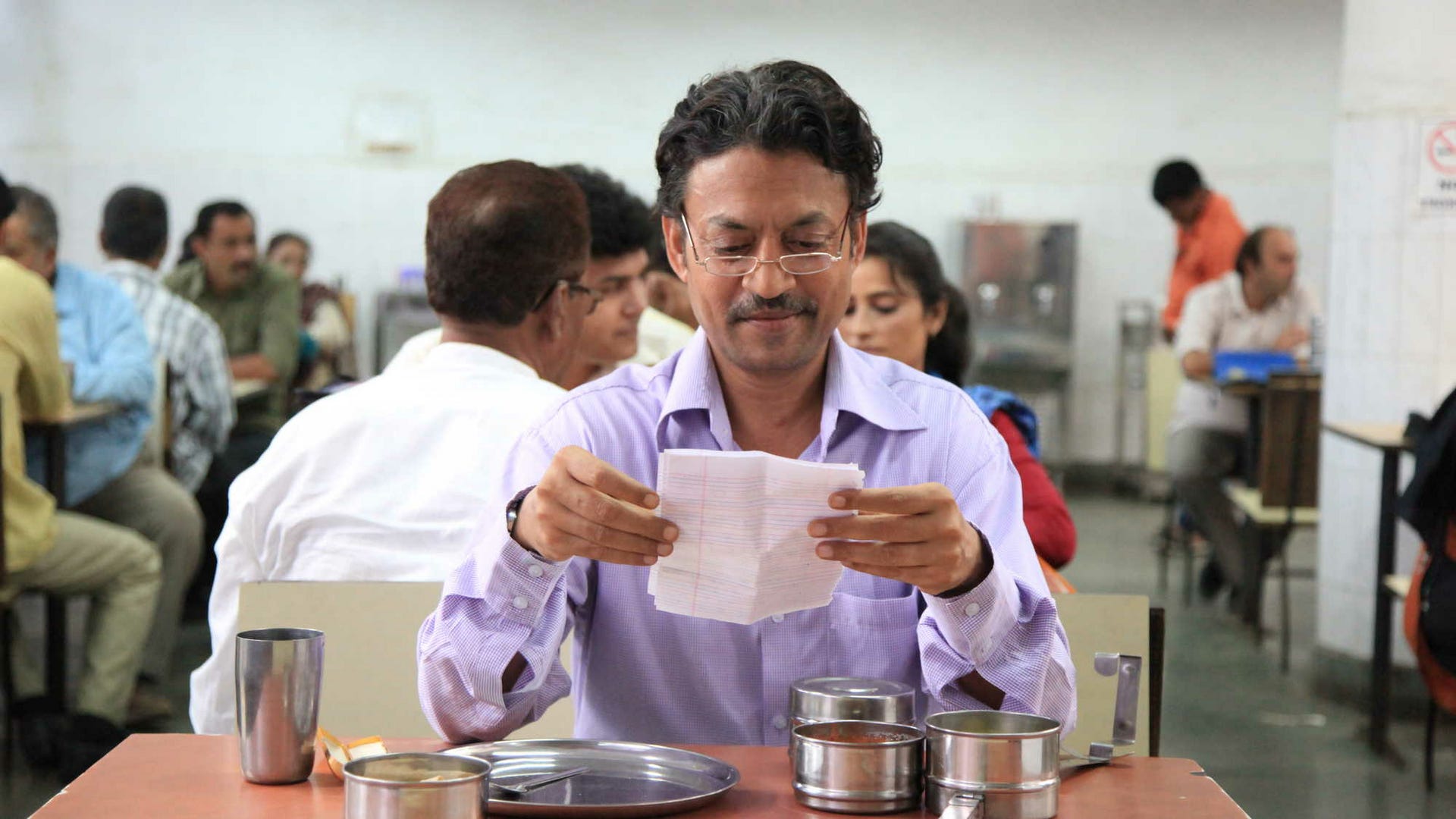
Its ensuing commercial success heralded a new path for such films, with each success paving the way for the next. “I had seen people do it before me, like with Sir and other indie films that had European names in the funders. And I do consider Lunchbox to be a highwater mark. It did really well at festivals and theatrically, at least in the US and in France, and people remember that film,” said ‘Girls will be Girls’ director Shuchi.
Directors were quick to praise the incredible generosity of France’s film financing ecosystem. The Centre National du Cinéma et de l’image animée (CNC) gives grants of between €250,000 to €300,000 to films from the Global South. Other European funds do exist but are smaller; while some, like the German World Cinema Fund, do not accept applications from Indian filmmakers. In addition, many regional authorities in France also offer support which can be added on to a CNC grant, making France one of the largest public financiers of arthouse cinema in the world.
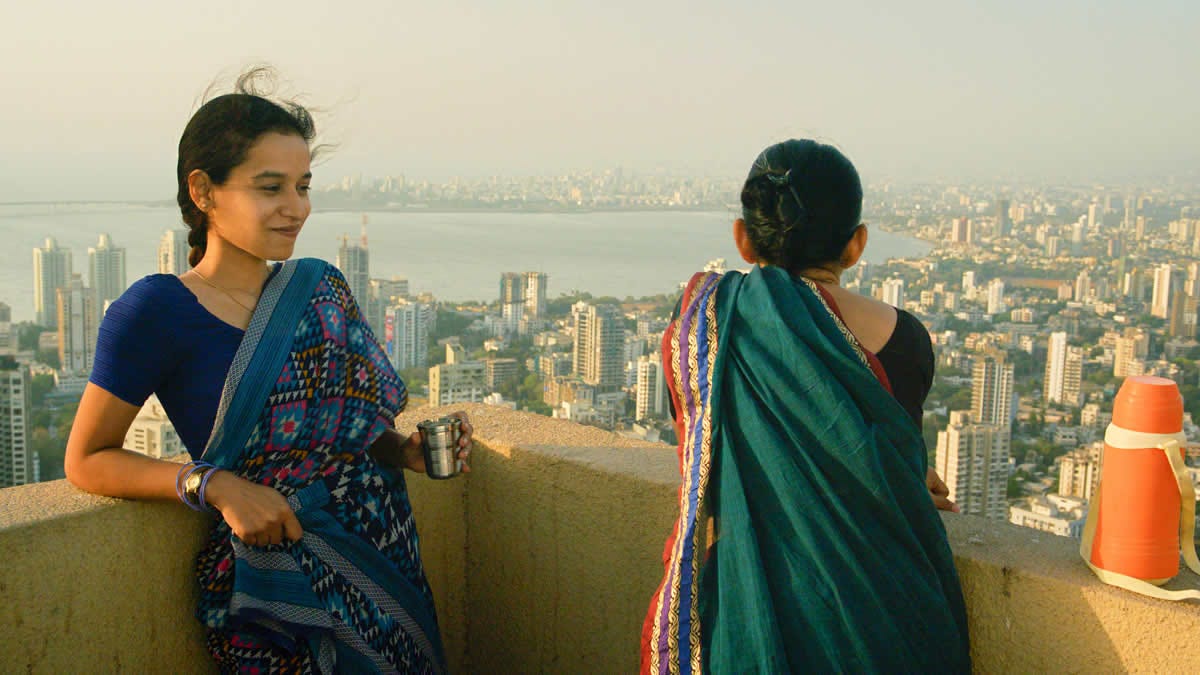
“CNC has a lot of support for French language-cinema, and non-French films are eligible for the Aide aux Cinémas du Monde grant. They call it l’exception française, because this kind of structure and support for independent films, or films d’auteurs, is not necessarily there anywhere else,” said Rohena Gera, director of ‘Sir’, which was selected for the Cannes Critics’ Week in 2018.
Beyond this solid financial support lies an ecosystem of residencies, script labs, production and distribution markets which help get films onto the radar even before they are made. “I went to a script lab because I wanted the script to be as good as possible. But I later realised that these places also act as curators. Film festivals and funders are looking at the respected labs to see what projects are coming down the pipeline,” explained Shuchi. For instance, Payal Kapadia’s ‘All We Imagine as Light’ was the product of a Cannes residency.
In India, the NFDC hosts an annual co-production market called the Waves Film Bazaar, which attracts international producers and agents. This is where Shuchi presented her project to Claire Chassagne of Dolce Vita Films, who agreed to produce it. Having French producers and distributors on board helps open the door to grants and film festival entries for Indian filmmakers.
Selection pressures
While this infrastructure is critical to getting independent films off the ground, foreign directors may be faced with a dilemma: who is the audience for their film, and how do they navigate European sensibilities in these collaborations? Many of the filmmakers I spoke to said that South Asian films are often viewed through a certain lens. Rohena Gera spoke of battling some of these cultural codes: “I’m not interested in telling the predictable, simplistic, bleak story to the Westerner, which is not to say one cannot critique Indian society. I’m just not interested in portraying misery to the West.”
Shuchi explained how the process can force directors to present their films in a certain way to selectors: “We are still in a world where, for stories that come from marginalised communities, a film being good is sometimes not enough. My job is to be a provocateur, to ask questions, to make people think. But when I am applying for grants, I will often foreground the social issues, because that helps people see why the film is important.”
French producers and distributors saw India as a place where “strong social tensions give rise to interesting stories,” and where a repressive environment can paradoxically be a source of creative resurgence among Indian directors. The fact that Sandhya Suri’s ‘Santosh’ did not get a release in India despite winning awards abroad points to these tensions and to a prickly government that often makes it difficult for arthouse cinema to flourish at home. It is perhaps no coincidence that the films discussed in this piece are by female directors and spotlight the struggle of women in a deeply hierarchical society.
Performance anxiety
Despite these pressures, international co-production is often the only viable pathway for independent filmmakers. A theatre release in India can be extremely tricky because of the huge costs of distribution. Streaming providers sometimes offer good deals for festival-winning films, confident that they will find their audience. ‘Sir’ released on Netflix during the pandemic and went to number 1 in both India and Pakistan. ‘Girls will be Girls’ was picked up by Amazon Prime, where the film performed strongly through word-of-mouth. ‘All We Imagine as Light’ had a limited theatrical run.
While in India the tag of a “festival film” can help or hurt a film’s prospects, in France, festival award-winners garner wide interest. “For a foreign film, unless the director is already established, distribution in France can be challenging, but if the film is selected at Cannes, it completely changes the game,” explained Claire Chassagne. But European festivals can also be more culturally conservative. “We sensed that festivals in North America were much more advanced in terms of diversity of representation and were therefore more receptive to Girls Will be Girls”, agreed Claire.

Still, subsidised film tickets, dedicated arthouse cinema halls and a well-developed festival network help push smaller films in France. ‘Girls Will Be Girls’ won the Grand Jury Prize at the Biarritz Nouvelle Vague festival. The film was also included among the recommendations of the Arthouse Cinema Network, allowing it to release in 90 cinemas across France.
Lélia Saligari from Nour Films, which distributed the film, noted that audiences are also evolving. “Girls will be Girls had won two awards at Sundance but did not go to Cannes. But we sensed that there was a particular new wave of Indian cinema that we could ride that year. Santosh released in July and All We Imagine As Light was slated for October, so we placed it right between the two in August. We highlighted that Kani Kusruti was also in this film, because we knew there would be interest to see her,” said Lélia.
Take two?
Because the South Asian diaspora is still not very large or well-organised in Europe, it is neither a target audience nor a flagbearer for those films that do succeed. Shuchi spoke of the difficulty of reaching these groups: “In France, I found that the diaspora groups are quite dispersed. There was not an easy way to reach them.” She contrasted this with her experience of touring with the film across the United States, where South Asian film collectives like the Rickshaw Film Foundation, The Bungalow Collective, and 1497 helped bring in crowds from the diaspora to dedicated screenings.
The recent wave of success for Indian indies is a seed that is fragile and needs to be nurtured. It is telling that in the year where Payal Kapadia is presiding over the Cannes Jury, no Indian film has made it to the selection. In France, the supporting infrastructure has been intentionally built, and audiences are open to new voices from unfamiliar cultures. But while the European festival ecosystem is a lifeline for Indian filmmakers, accessibility can hinge on privilege.
On the other hand, a lack of funding, a broken distribution model and a dwindling festival and critical ecosystem remain big hurdles in India. The Critics’ Choice Awards and the streaming success of some indie films offer small glimmers of hope. This is a pivotal moment for the French and Indian filmmaking communities to expand on their existing ties. A progressive and better organised diaspora can help South Asian cinema reach new audiences, and we at Dvar hope to play our part.